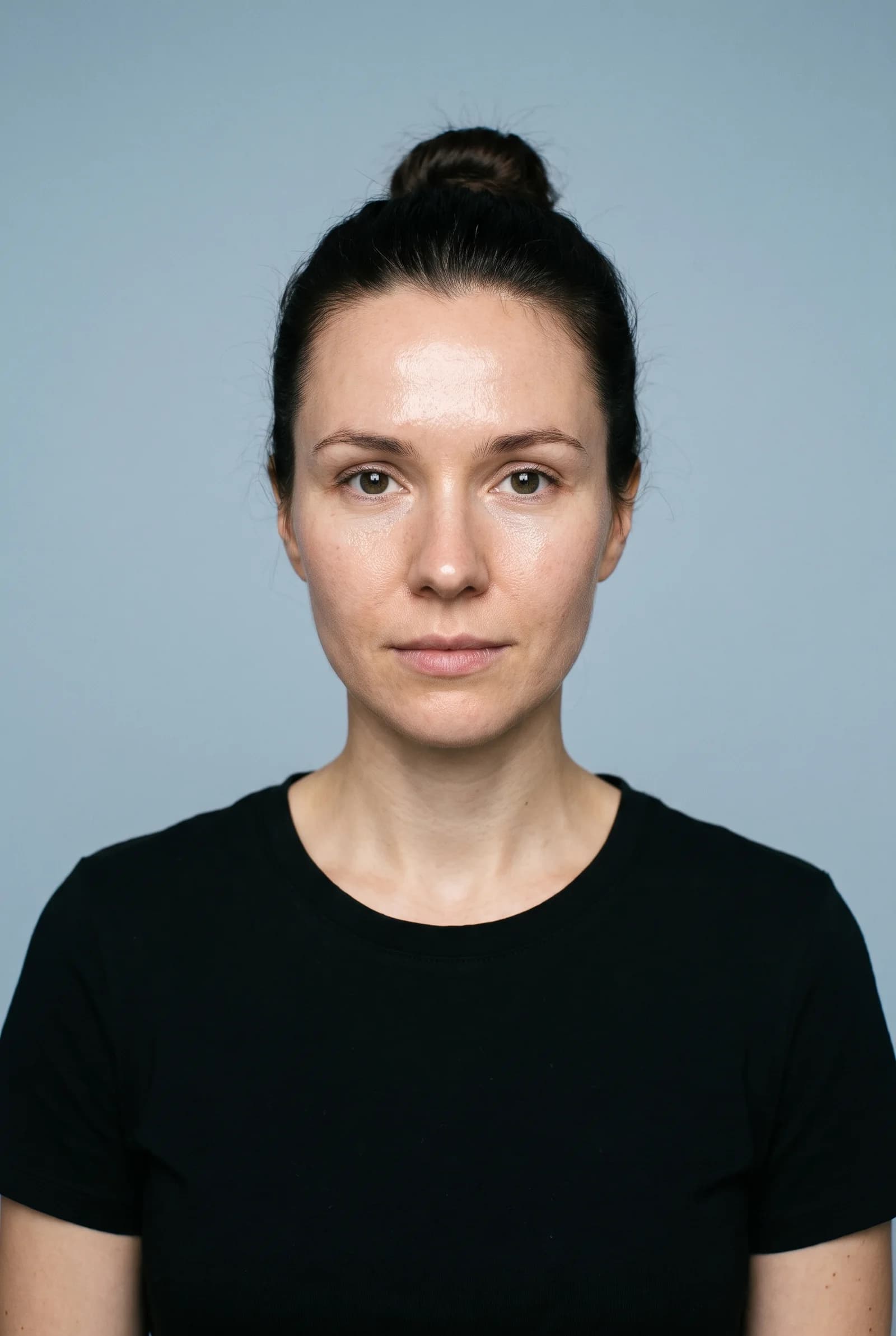
Improve your looks
without surgery
A personalised facial analysis and transformation plan, measured from six photos and reviewed by our team.
- 478 points
- 9 regions
- Same day
- Reviewed by our team
See your face the way we measure it.
Right here, in your browser.
Upload a front photo or use your camera. We place 478 points and read eleven proportions in under a second. Nothing is uploaded: the analysis runs on your device.
Your photo stays on your device. It is not sent to us, not stored, and disappears when you leave the page.
On your device
The 478-point mesh runs in your browser.
Measured, not rated
Ratios and angles set against the classical proportions. No score.
The same engine
Your six report photos are read with the same landmarks.
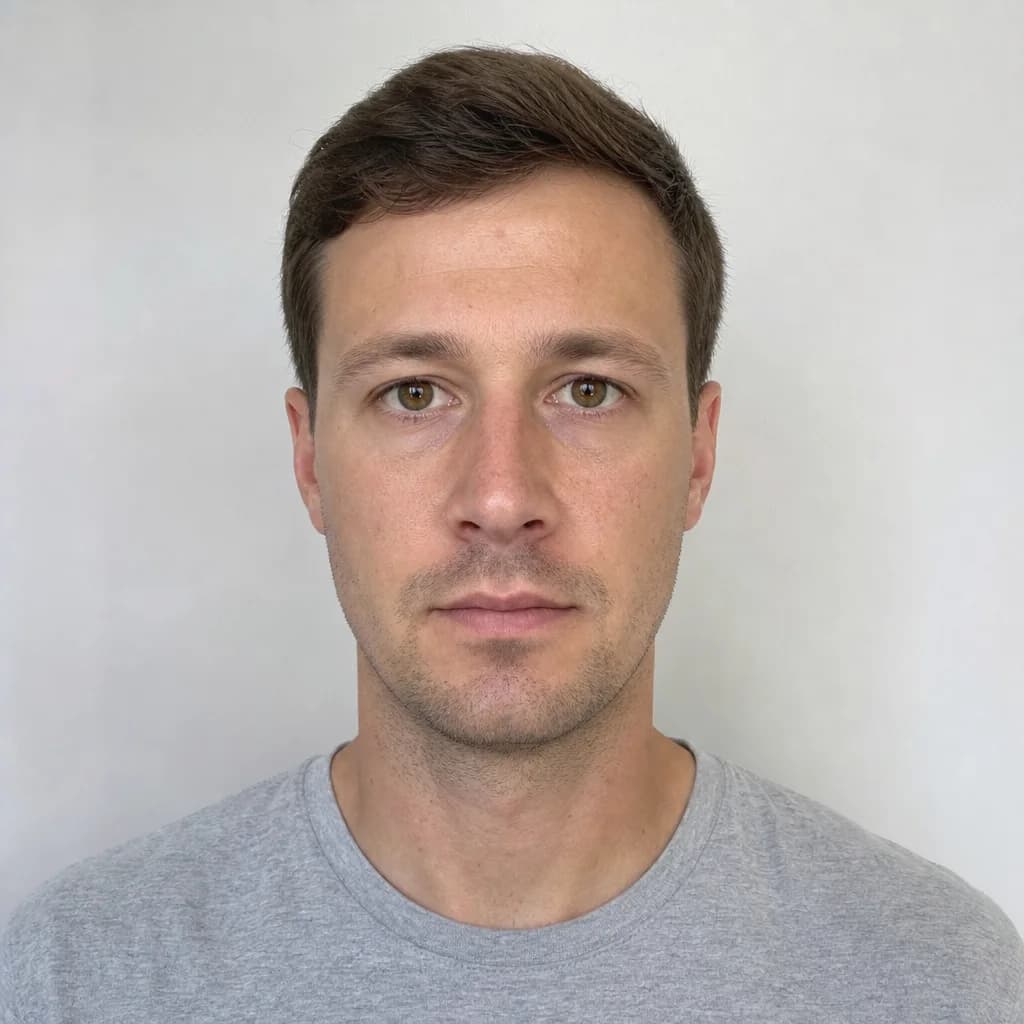
Sample measurements · scan your own face to replace them
This is the surface.
The full report adds five more angles, all 9 regions of your face, comparison within your own age and background, and a person who checks every line.
Get my full reportLife-changing
transformations
Research consistently shows the wide-ranging benefits of looking your best. We turn that research into a plan you can actually follow.
- Know which two or three features matter most
- Stop worrying about the ones that are fine
- See your own face annotated before you change anything
- Get a step-by-step protocol in the right order
- Track the change over time
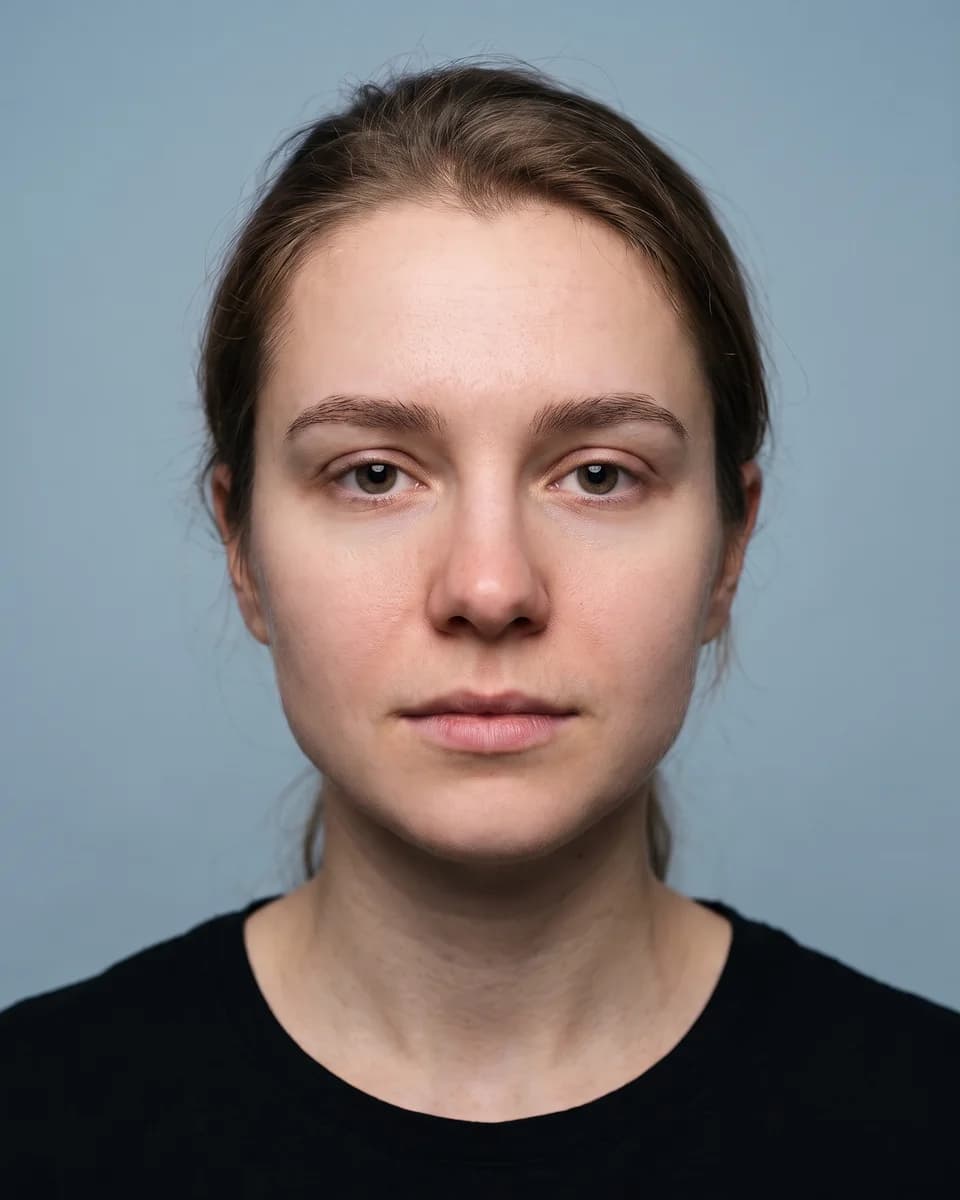
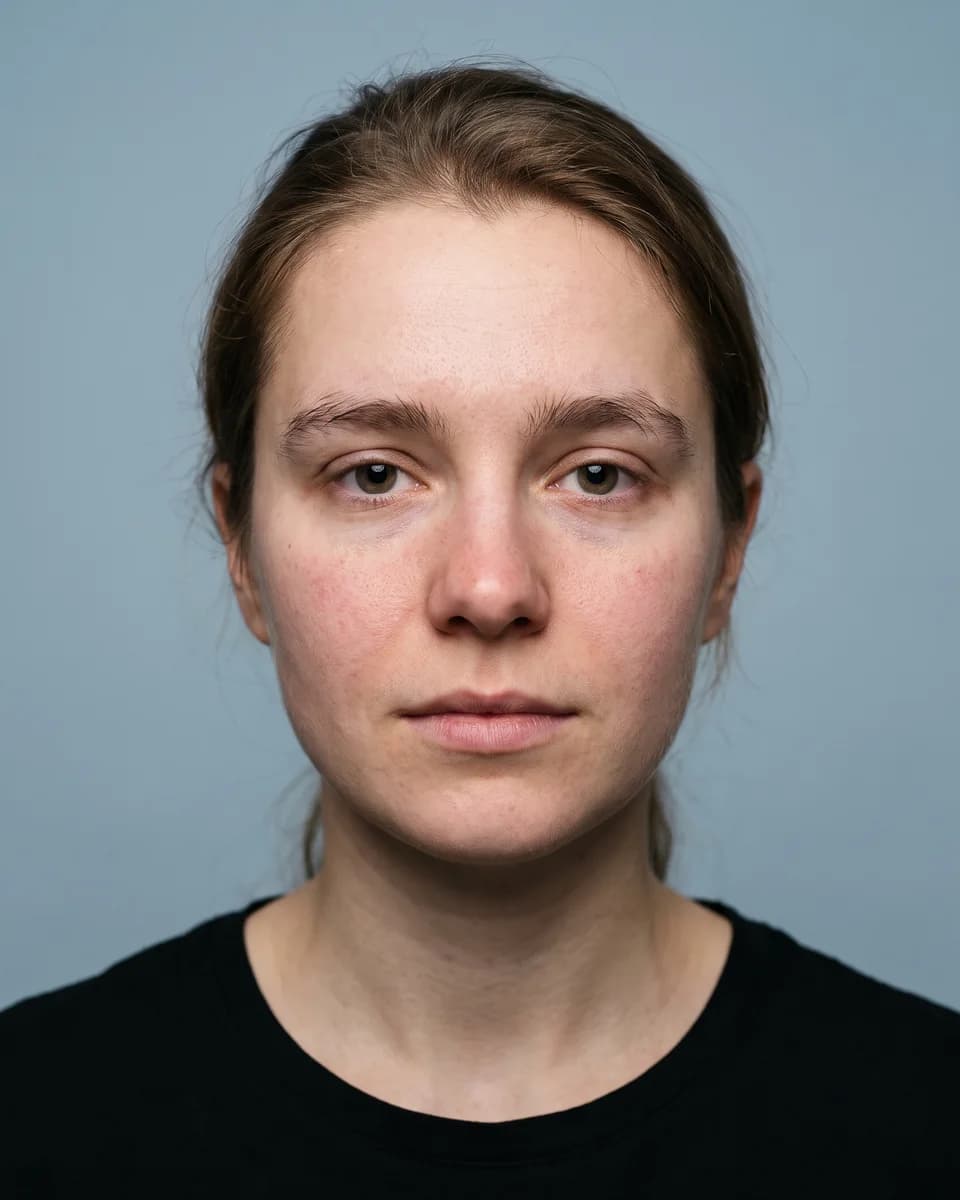
- 1Skin: texture and tone, with daily care and sleep
- 2Eyes: rested look, with sleep, hydration and light habits
- 3Eyebrows: shape and symmetry, with grooming
Studies show your looks influence almost everything, from your career to your romantic life.
Higher salary
Good-looking workers are paid more and plain-looking workers less, across occupations.
Hamermesh, D. S., & Biddle, J. E. (1994). The American Economic Review.
Easier job interviews
Attractive applicants are perceived as more qualified.
Puleo, R. (2006). Journal of Undergraduate Psychological Research.
Bigger tips
Attractive servers receive over $1,200 more in tips per year.
Parrett, M. (2015). Journal of Economic Psychology.
More sales
People are more willing to buy from a salesperson they find attractive.
Reingen, P. H., & Kernan, J. B. (1993). Journal of Consumer Psychology.
A new way
to glow-up
The beauty industry is built on products and procedures. We start with the only thing that matters: your face, measured.
The old way
- Step 1Fixate on one feature
- Step 2Visit a clinic
- Step 3No real assessment
- Step 4Unnecessary procedures
- Step 5Disappointing results
The new way
- Step 1Consider your face as a whole
- Step 2Faciem analysis from six photos
- Step 3See your face, annotated
- Step 4Personalised protocol
- Step 5Real, measurable results
The interesting part is the order. Most people improve the wrong thing first and never notice the features that would have changed everything.
Your complete
facial analysis
Every face is unique. We measure your face on 478 points and go through it region by region, from skin to expression, for a precise understanding of your appearance.

Tilt of the right eye
+2.3°
The line from inner to outer eye corner is rarely exactly level. With a plus sign, the outer corner sits higher.
On this face, that line runs less upward than classical: slightly up towards the outer corner (+2.3°). Classically it runs up towards the outer corner (+6.0°), so this face sits a little below it.
Distance between the pupils
0.49
How far apart the pupils are, divided by the face width.
This face measures a larger distance between the pupils than classical: almost exactly half of the face width (0.49). The classical proportion is just under half (0.46), so this face sits a little above it.
Width and height of the face
2.19
Cheekbone to cheekbone, divided by the height from the upper eyelids to the upper lip: the face width set against that height.
The face is wider than classical, set against that height: just over twice as wide as it is tall (2.19). Classically it is just under twice as wide as tall (1.90); this face sits a little above it.
Middle part of the face
47.1%
The middle part of the face, from the brows to the base of the nose, as a share of the height from brows to chin. We don't measure the upper part, up to the hairline: it can't be traced reliably on a photo.
This face measures a middle part of just under half of the height from brows to chin (47.1%). The classical proportion is exactly half (50.0%), so this face sits close to it.
Nose and the space between the eyes
1.07
Two widths side by side: the nose across the nostrils, and the space between the inner corners of the eyes.
The nose is slightly wider than the space between the eyes (1.07). Classically it is as wide as that space (1.00), so this face sits close to it.
Left–right symmetry
0.2%
No face is fully symmetrical. We mirror points that come in pairs, such as the corners of the eyes and mouth, and measure the difference between the left and right halves as a share of the face width.
On this face it is a very small difference (0.2%), under what is usual (3.0%).
Read from this portrait’s 478 landmarks
You will learn…
Your Faciem biometrics
Objective measurements of symmetry, proportion and harmony.
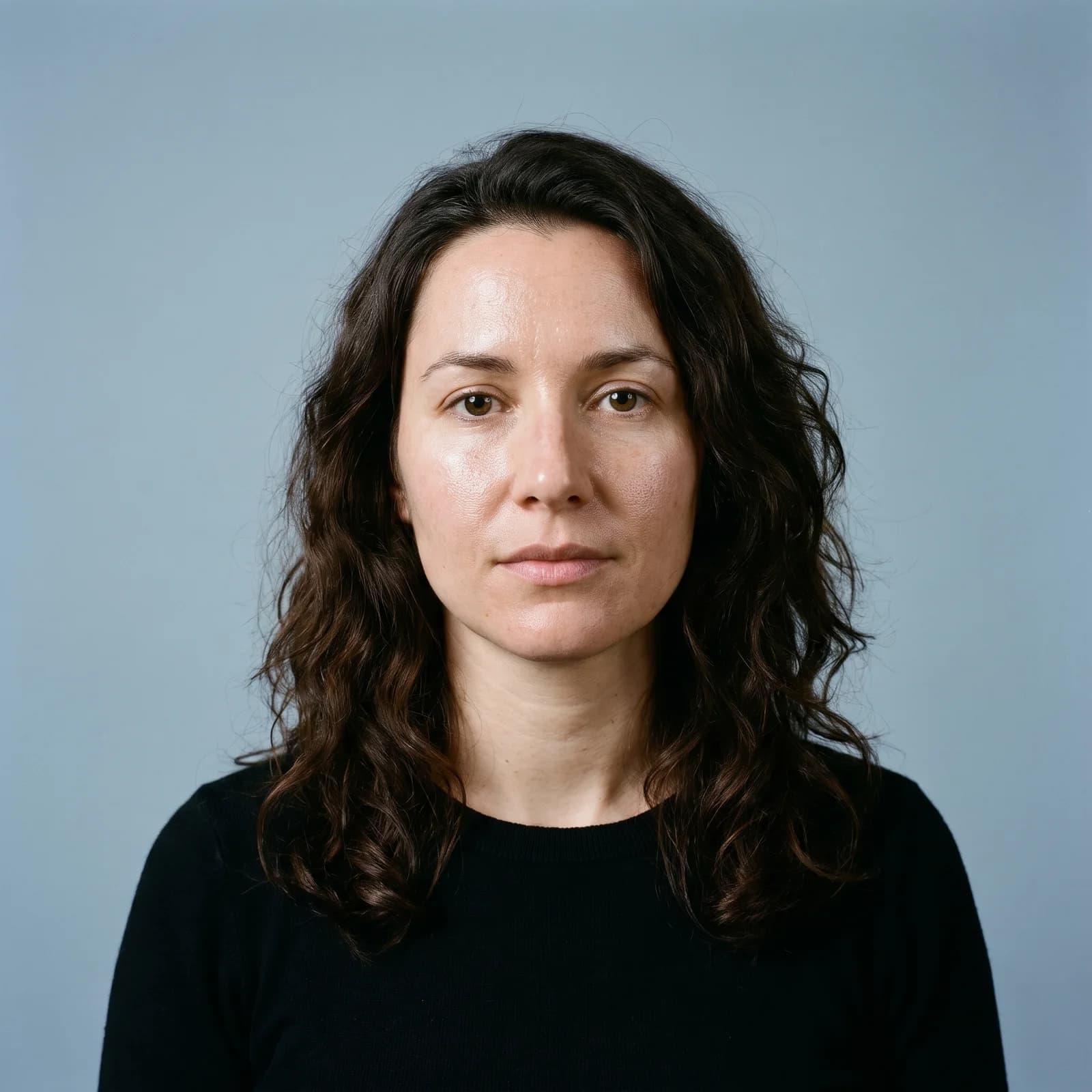
How each feature impacts your appearance
Feature by feature, with the evidence.
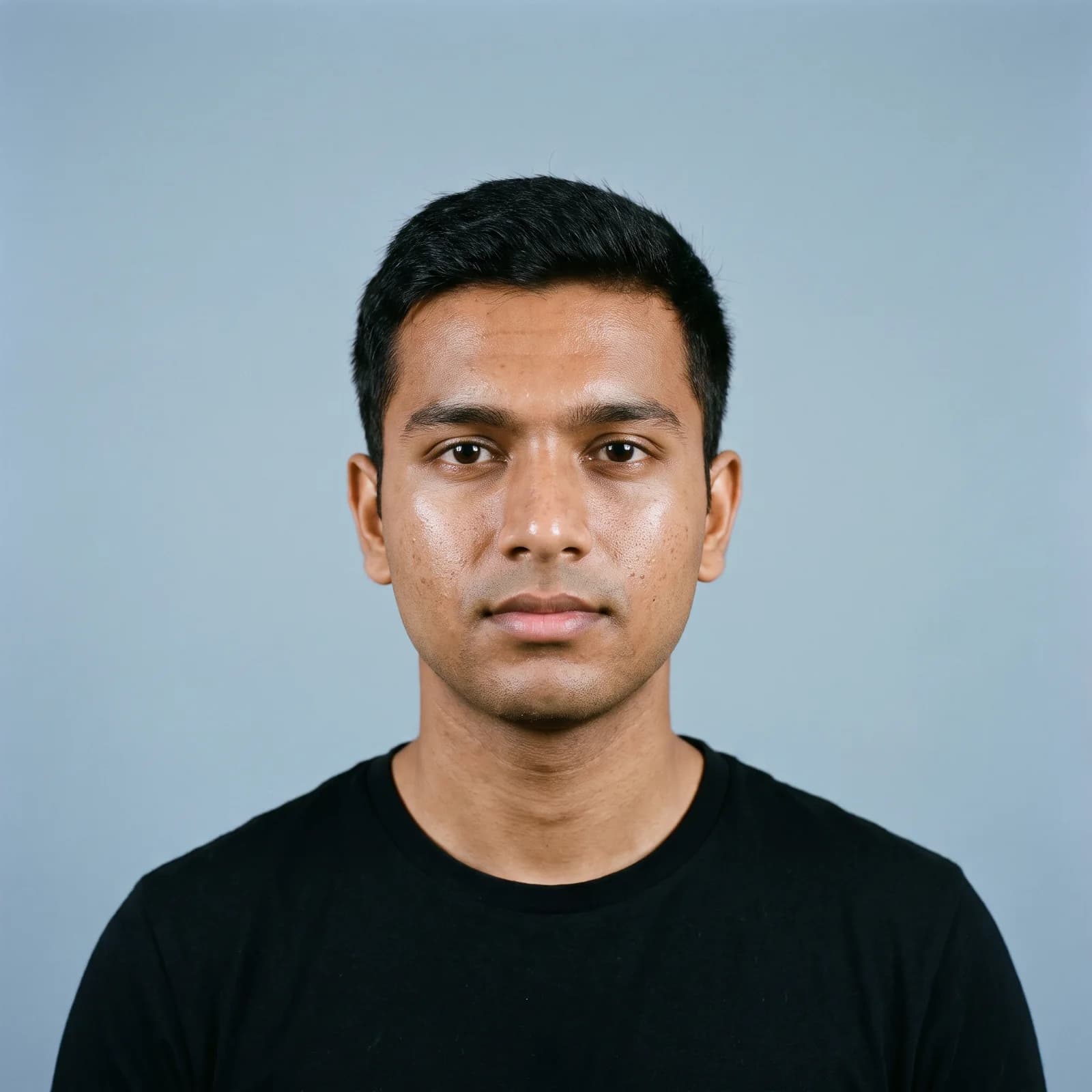
The harmony of your face
How your features work together.
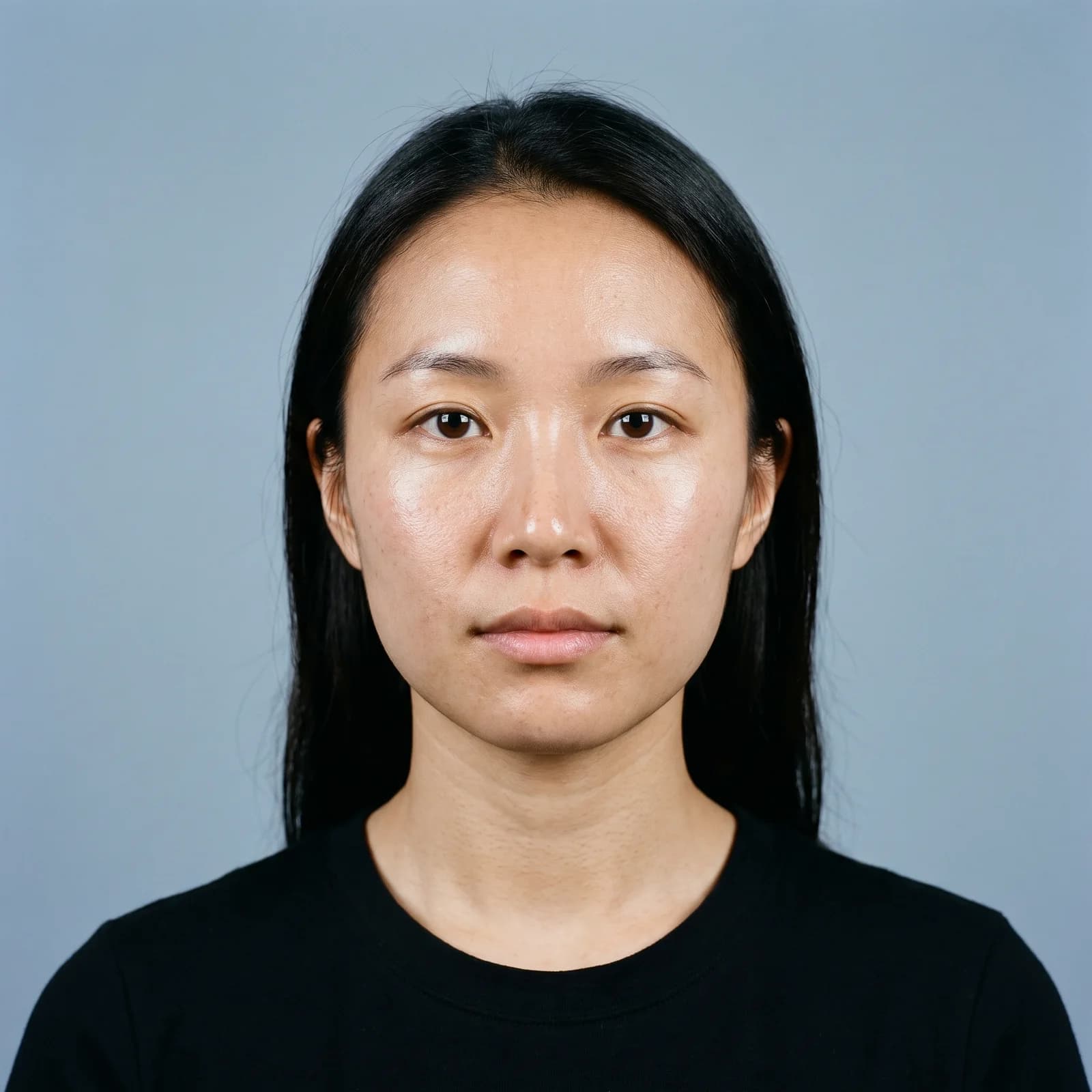
Your features with the most potential
What you can improve without surgery.
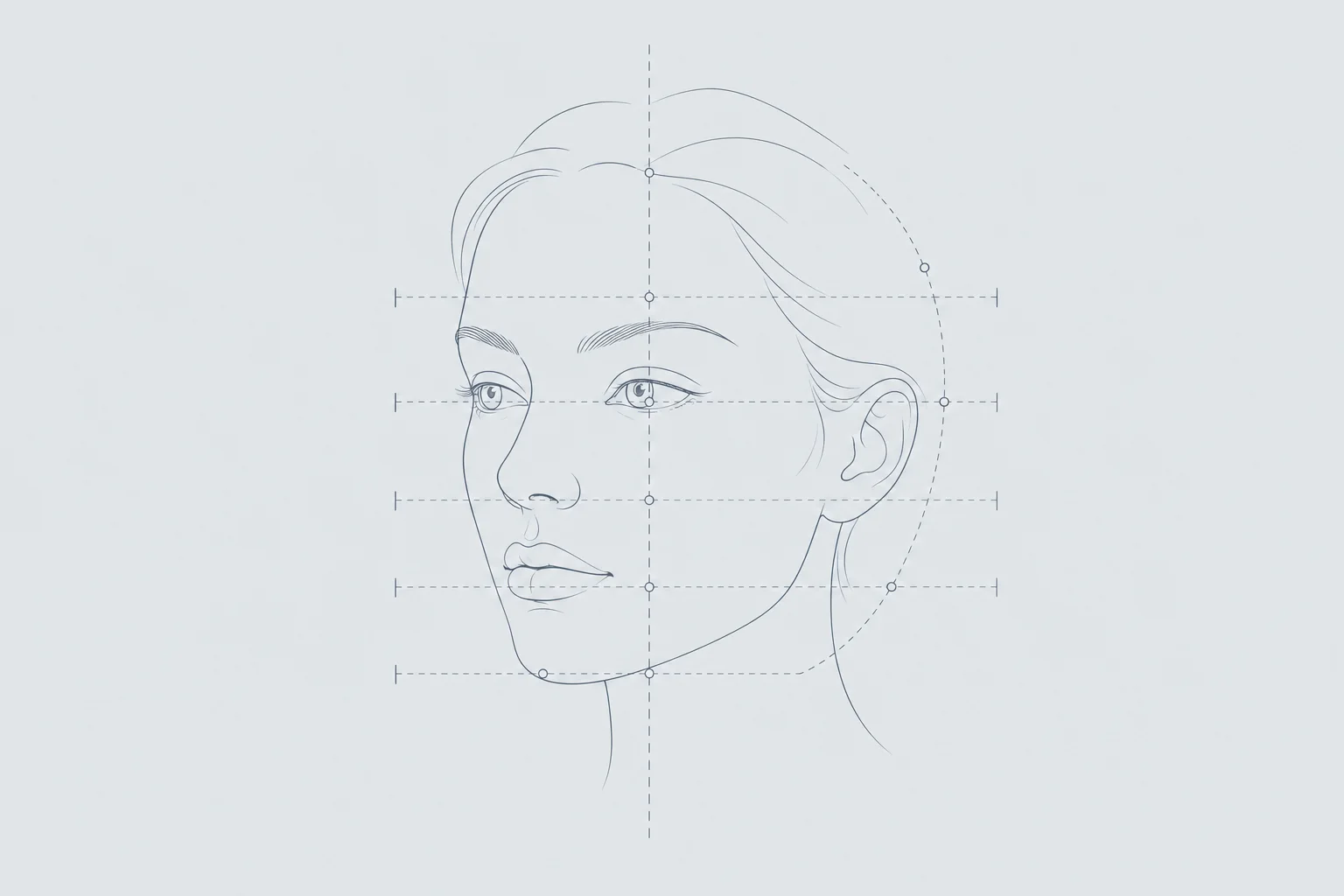
The science underlying your protocol
Scientific explanations for our recommendations.
Get your personalised
Faciem plan
Expert facial analysis
Six photos, 9 facial regions, reviewed by our team before you see it.
See your face, annotated
Your own photo with measurement lines and the zones your plan works on first.
Personalised glow-up protocol
The right steps, in the right order, with costs and timing.
Track your progress
Re-scan yearly and watch the numbers move.
No need
for surgery
We measure your face and explain what matters most, and how to work on it without surgery.
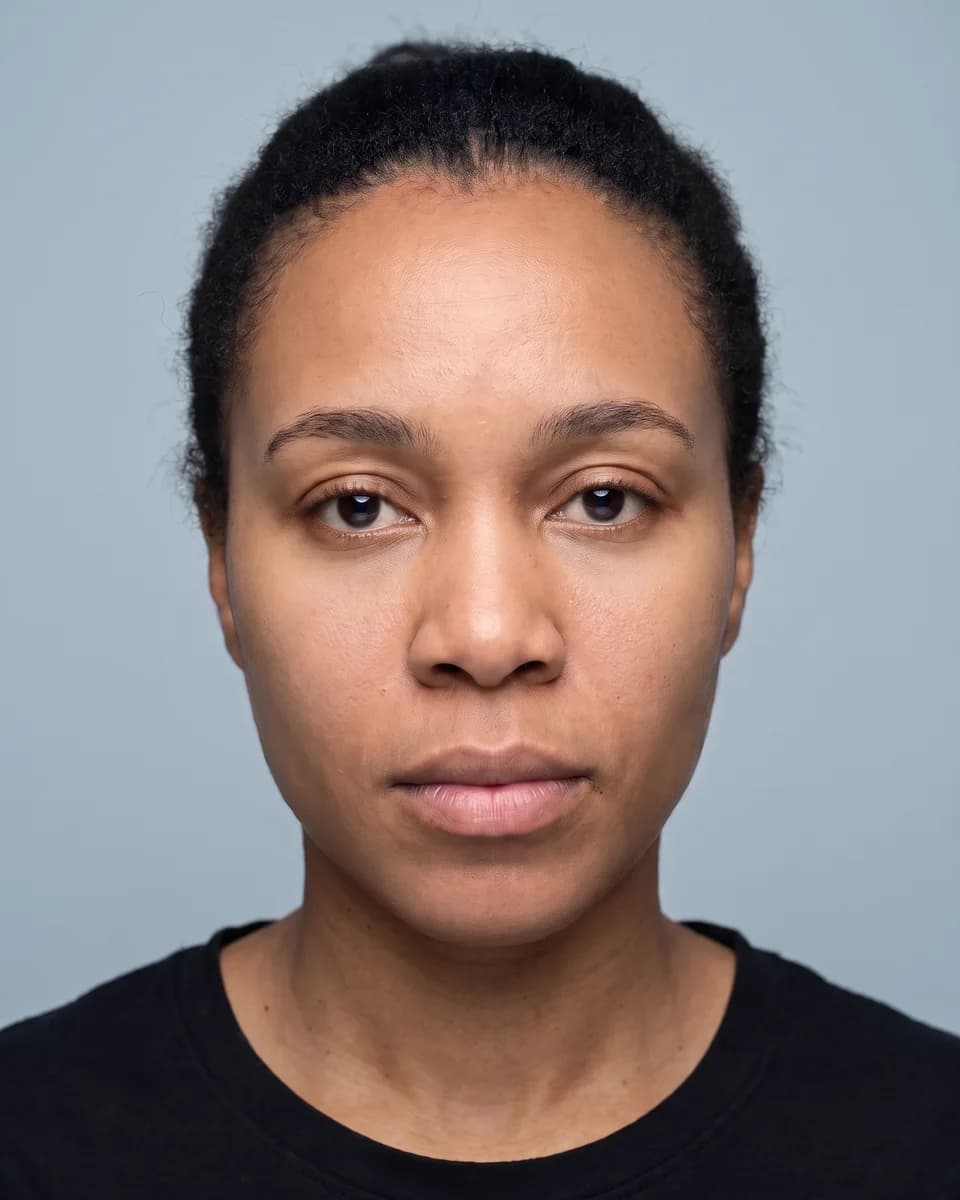
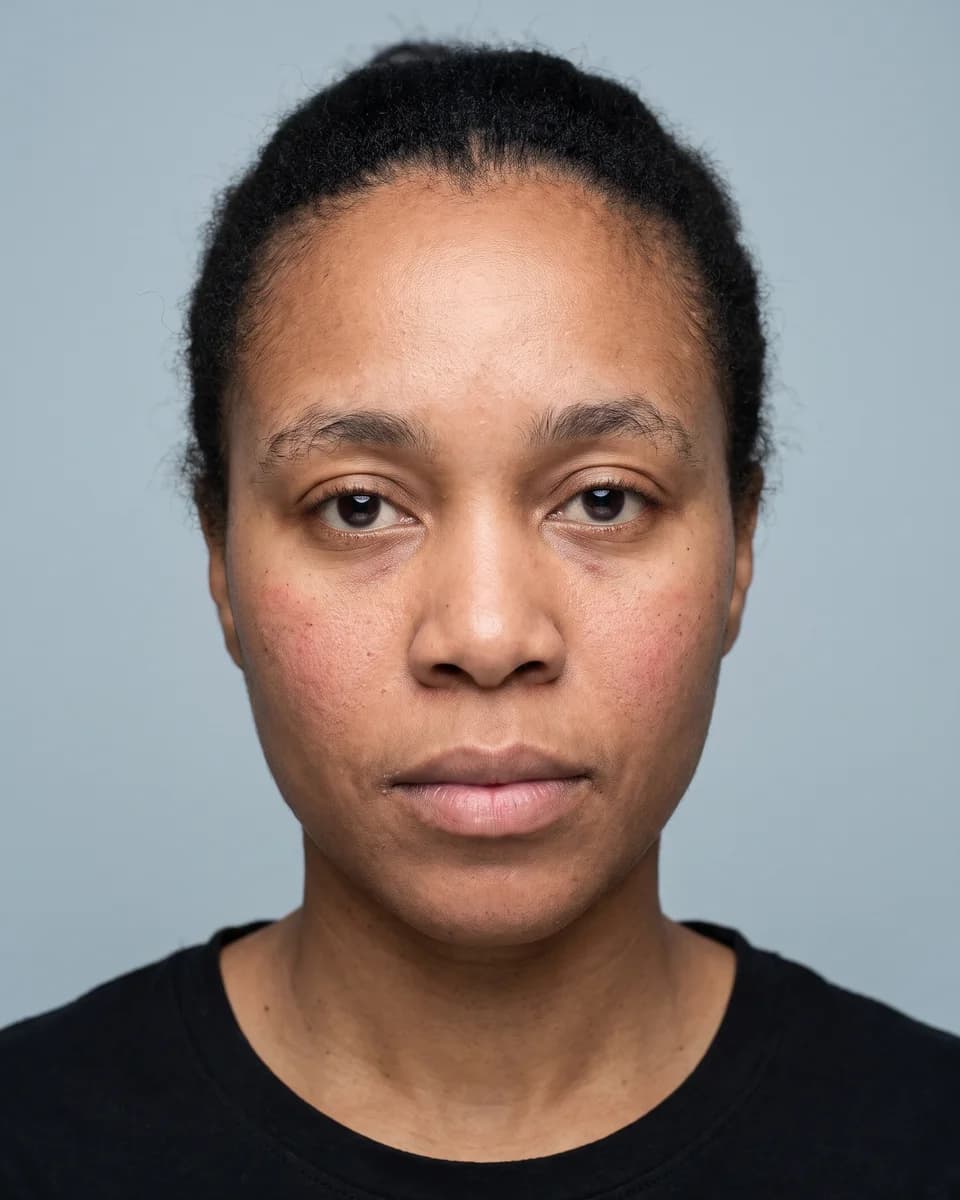
See detailed transformation →
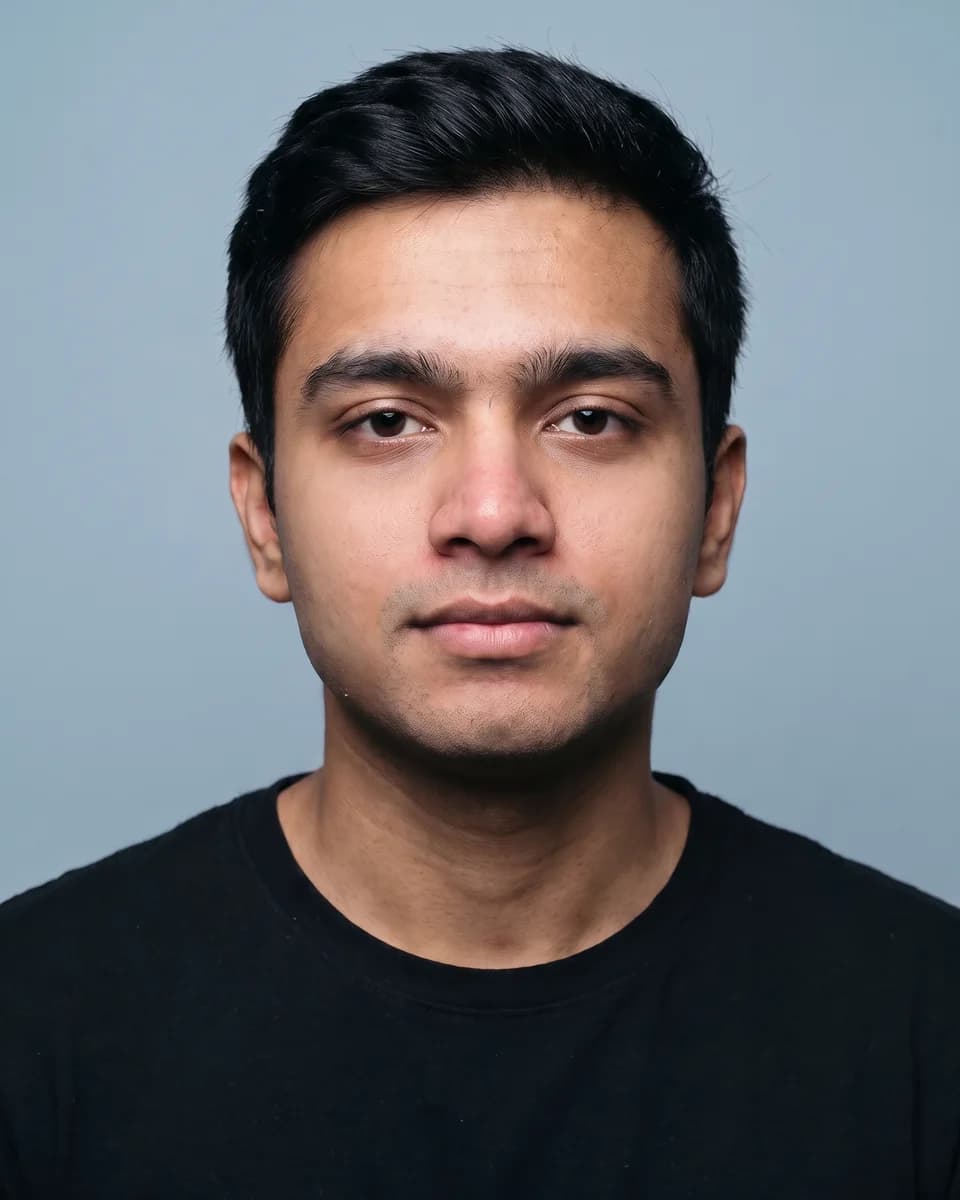
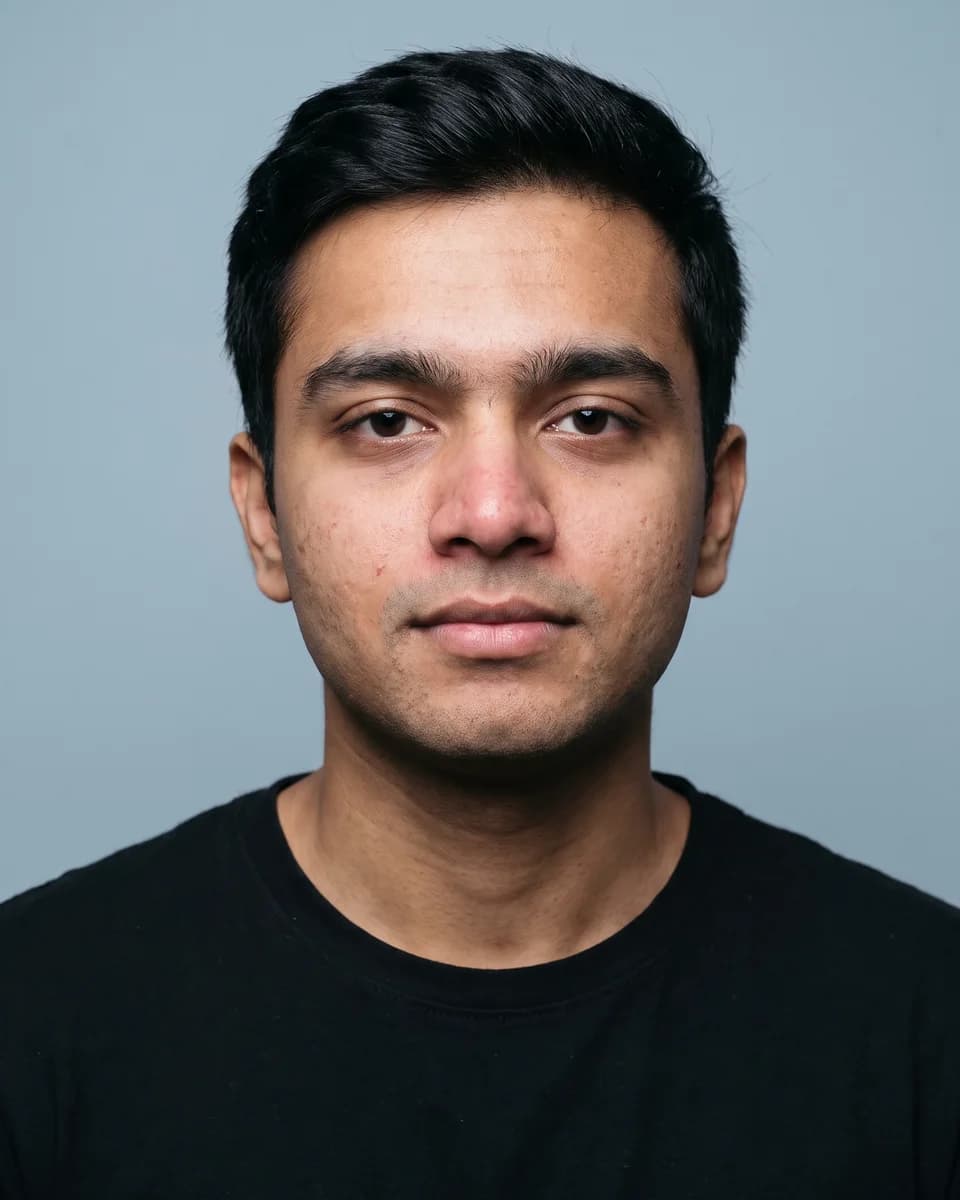
See detailed transformation →
Simply follow your plan
See your face transform
A detailed plan with the exact steps to improve your appearance, in the order that matters most for your face.
- 01 · 0–1 month
- 02 · 1–2 months
- 03 · 2–4 months
Brow shaping
Define the arch to lift the eye area
Retinol 0.5%
Skin texture and tone
Gua sha routine
Lymphatic drainage, 5 minutes
Posture reset
Chin projection and neck line
Haircut brief
A cut that balances your facial thirds
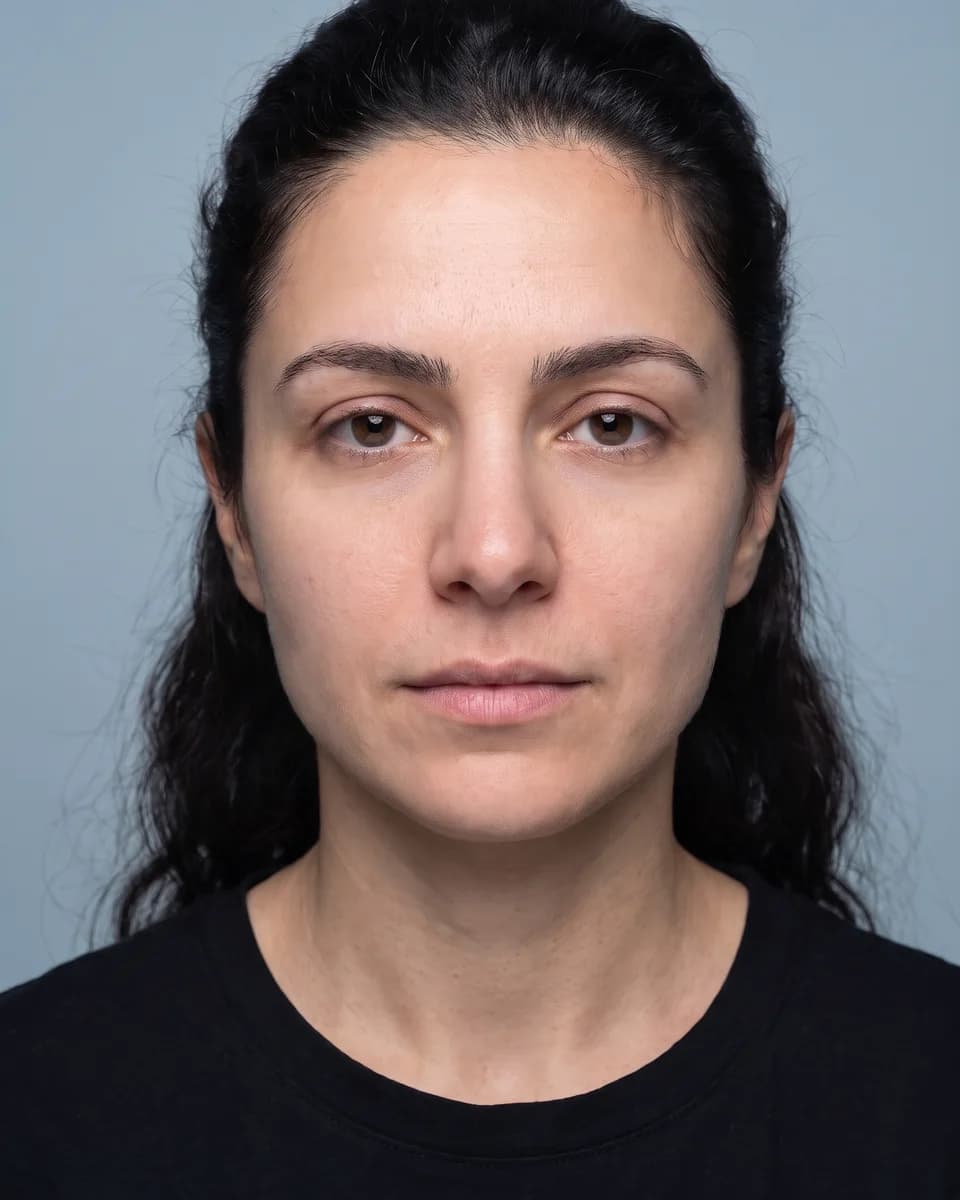
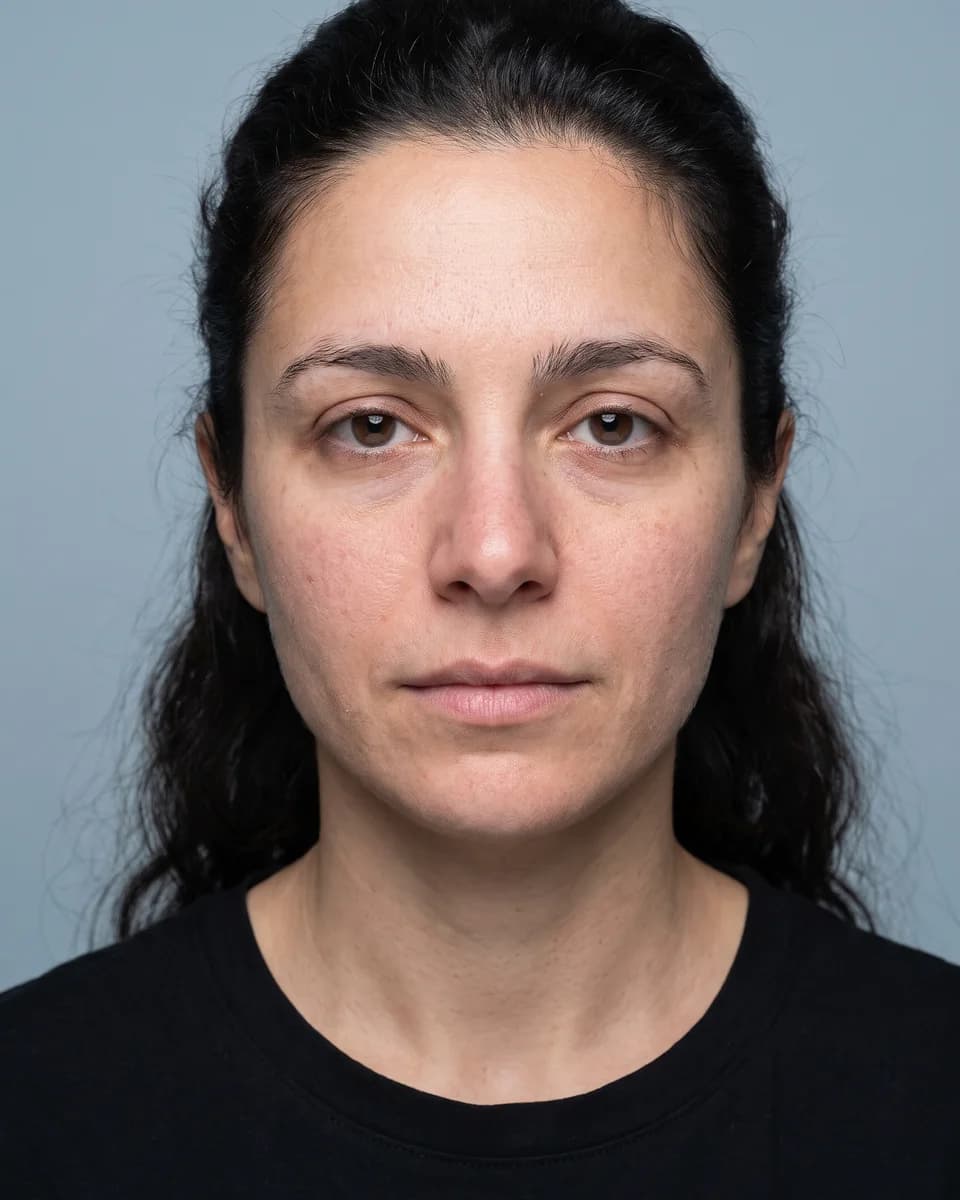
- 1Skin: texture and tone, with daily care and sleep
- 2Eyebrows: shape and symmetry, with grooming
A measured plan removes most of the noise in the aesthetics space. You do fewer things, in the right order.
Track your progress
Measure what changed
Track your progress over time and see how different changes affect your overall appearance.
Measured, not guessed
8 of the measurements our engine reads from a front photo, here on the demo portrait. Your report reads all of them from your own photos.
Tilt of the right eye
+3.9°
The line from inner to outer eye corner is rarely exactly level. With a plus sign, the outer corner sits higher.
On this face, that line runs slightly up towards the outer corner (+3.9°). Classically it runs up towards the outer corner (+6.0°), so this face sits close to it.
Tilt of the left eye
+4.9°
The angle of the left eye, from inner to outer corner. A plus sign means the outer corner sits higher.
The left eye runs up towards the outer corner (+4.9°). The classical tilt runs up towards the outer corner (+6.0°); this face sits close to it.
Distance between the pupils
0.46
How far apart the pupils are, divided by the face width.
This face measures the distance between the pupils at just under half of the face width (0.46). The classical proportion is just under half (0.46), so this face sits close to it.
Width and height of the face
1.76
Cheekbone to cheekbone, divided by the height from the upper eyelids to the upper lip: the face width set against that height.
The face is just under twice as wide as it is tall (1.76). Classically it is just under twice as wide as tall (1.90); this face sits close to it.
Middle part of the face
50.7%
The middle part of the face, from the brows to the base of the nose, as a share of the height from brows to chin. We don't measure the upper part, up to the hairline: it can't be traced reliably on a photo.
This face measures a middle part of almost exactly half of the height from brows to chin (50.7%). The classical proportion is exactly half (50.0%), so this face sits close to it.
Lower part of the face
49.3%
From the base of the nose to the chin, as a share of the height from brows to chin: that is the lower part.
On this face, the lower part is almost exactly half of the height from brows to chin (49.3%). Classically it is exactly half (50.0%); this face sits close to it.
Width of the mouth and nose
1.50
How wide the mouth is, from corner to corner, divided by the width of the nose.
This face measures the mouth at one and a half times as wide as the nose (1.50). The classical proportion is one and a half times as wide (1.50), so this face sits close to it.
Width of the jaw
0.79
Jaw angle to jaw angle, divided by the width of the face across the cheekbones.
The jaw is just over three quarters of the width across the cheekbones (0.79). Classically it is exactly three quarters (0.75); this face sits close to it.
Founding cohort
Built in the Benelux, for the Benelux.
Reviewed by humans
Every report is checked before release.
Surgery-free
We never recommend surgery.
100% personalised
Every recommendation is tailored to you.
Science-backed
Based on the latest research.
9 regions, one report
- Assessed once a year
- From home
What we look at in each region.
01
Skin
Texture, evenness, redness and dryness, and which routine suits your skin.
02
Eyes
Shape, spacing and the tilt of the eye line, the under-eye area and how rested your eyes look.
03
Eyebrows
Shape, density and position relative to the eyes, and whether shaping or growing them out would help.
04
Nose
Proportion to the rest of the face and how it reads from the front and in profile.
05
Lips
Fullness, the balance between upper and lower lip, and lip care.
06
Cheeks and midface
Cheekbones and the midface, and how weight, sleep and posture affect them.
07
Jaw and chin
Jawline, chin and neck line, and what posture and grooming change in photos.
08
Forehead and hair
Forehead proportion, hairline and hair, and which cut balances your facial thirds.
09
Expression
Resting expression, smile and head posture, and how you come across in photos.
Discover what
makes you, you.
Understand your features and their impact on your appearance.
From the sample report
A balanced, healthy-looking face with strong structure in the midface and jaw. The highest-impact changes are skin evenness on the cheeks, brow shape and the under-eye area.
Skin tone evenness
Mild redness and uneven tone on the cheeks pull down perceived health more than any other single item. This responds well to a simple routine within 12 weeks.
Brow shape
The left brow sits 2 mm higher and both tails are thin. Shaping to a slightly straighter, fuller line frames the eyes and evens the asymmetry.
Under-eye shadow
The shadow is mostly hollowness plus lighting, not pigmentation. Sleep position, sodium and camera angle change it visibly; products change it little.
Your most noticeable feature
Discover the one trait everyone sees first and how it shapes your entire impression.
How each feature affects your look
See how individual features work together to influence balance, symmetry and overall appearance.
Features with the most potential
Find out which of your features have the most potential for improvement.
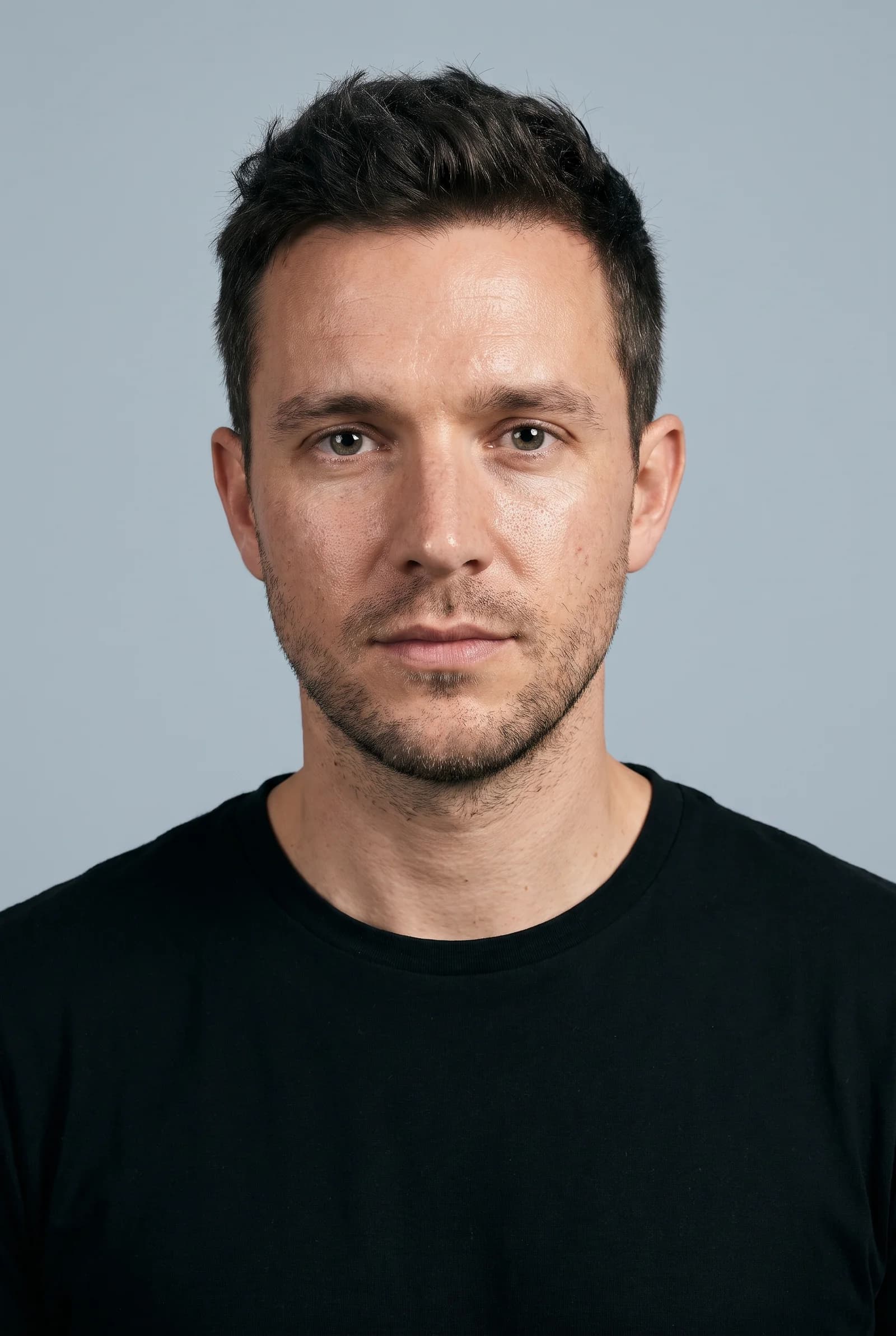
- 478facial points measured
- 9regions in every report
The technology behind
your transformation
Precision facial analysis
We map 478 facial points from your six photos to deliver a detailed facial analysis.
Compared within your population
Measurements are compared with people of your age, sex and background, not a global average.
The science of facial attractiveness
Your report goes through 9 regions of your face, from skin to expression.
Reviewed by humans
Every report is checked by our team before it reaches you.
What a plan aims for
Illustrations, not results.
Generated images that show the kind of change a non-surgical plan works towards: skin, brows, hair, grooming and posture. These are not real members and not achieved results. (2)
Start my plan- BeforeResult ¹
¹ Result · a generated illustration of a direction a protocol can take, not a measured or promised result  BeforeResult ¹
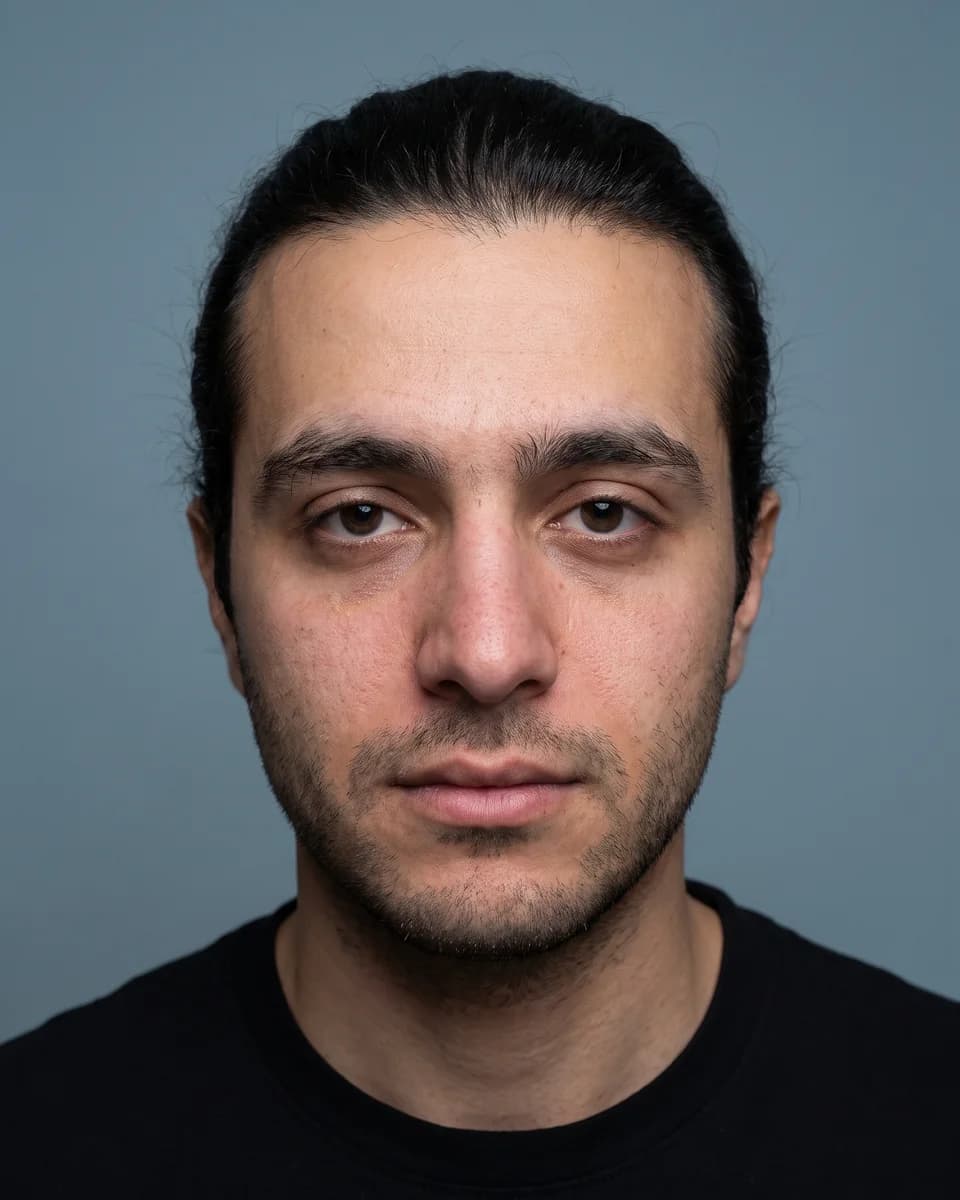
¹ Result · a generated illustration of a direction a protocol can take, not a measured or promised result - BeforeResult ¹
¹ Result · a generated illustration of a direction a protocol can take, not a measured or promised result - BeforeResult ¹
¹ Result · a generated illustration of a direction a protocol can take, not a measured or promised result - BeforeResult ¹
¹ Result · a generated illustration of a direction a protocol can take, not a measured or promised result  BeforeResult ¹
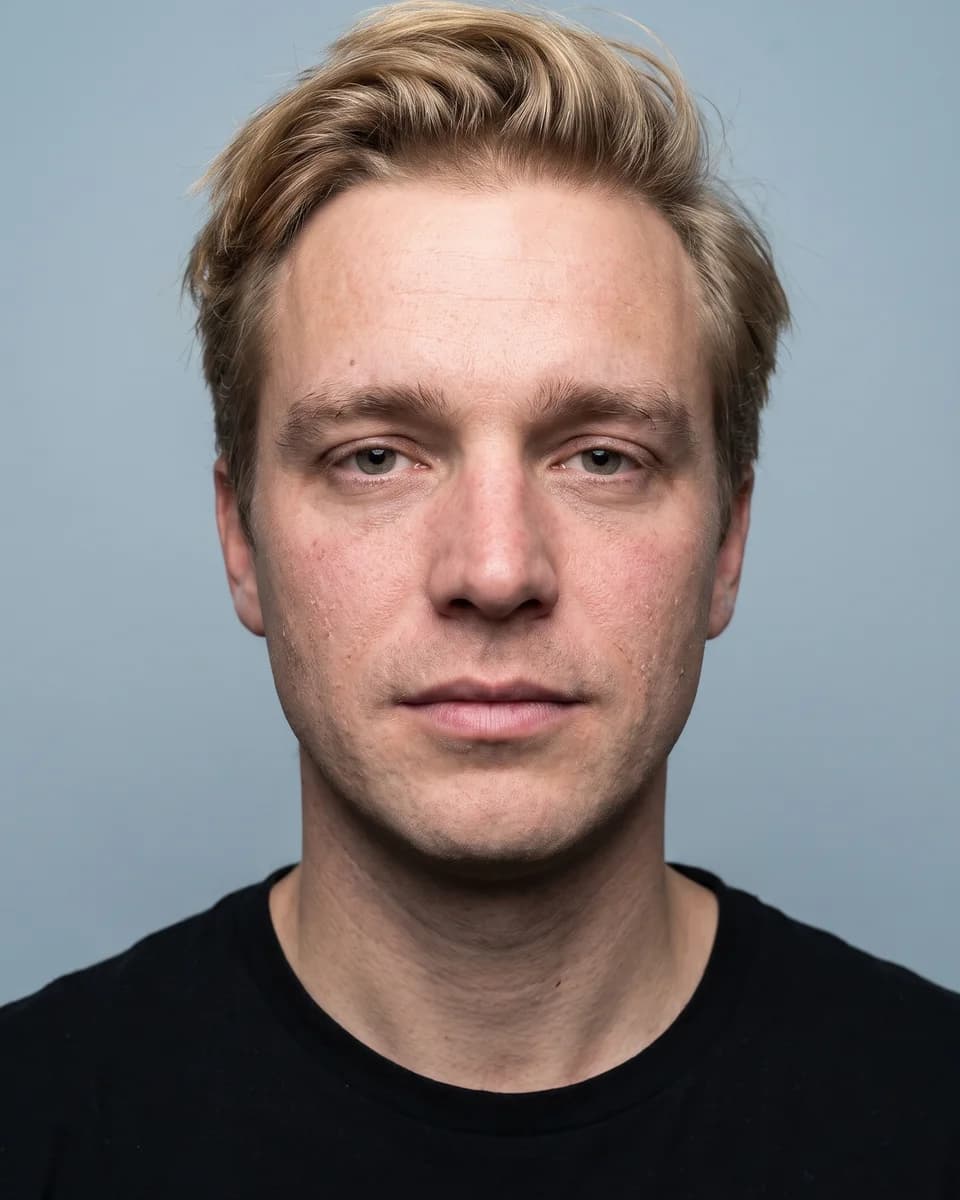
¹ Result · a generated illustration of a direction a protocol can take, not a measured or promised result
How it works
Get your personalised facial analysis from the comfort of your home in three simple steps.
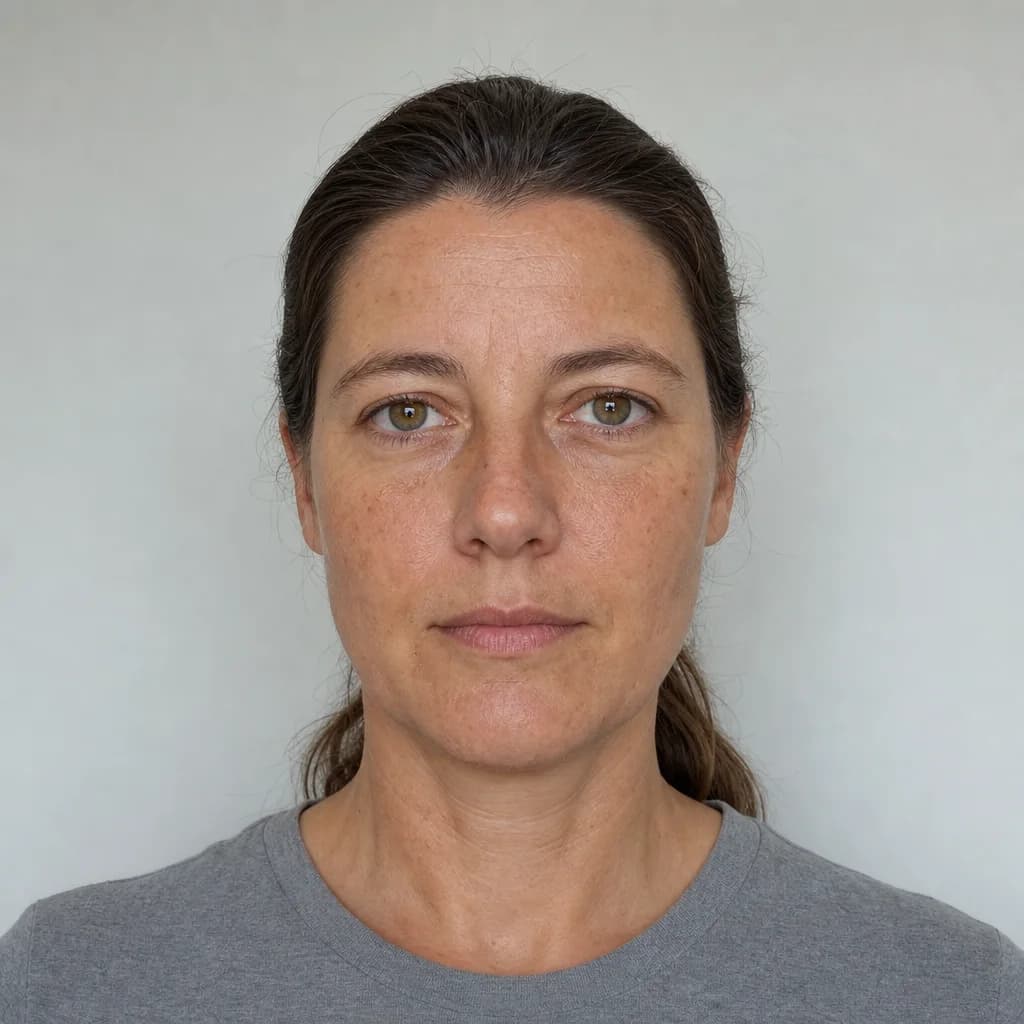
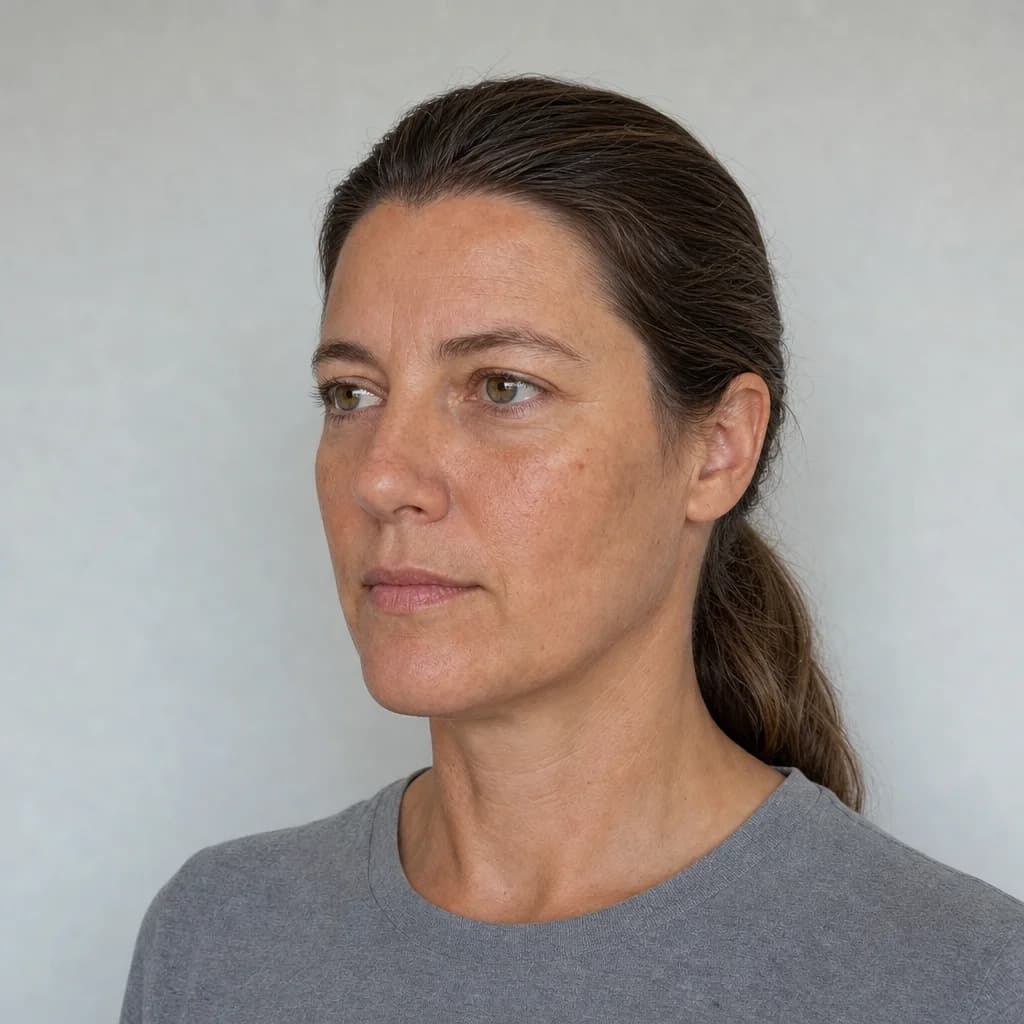
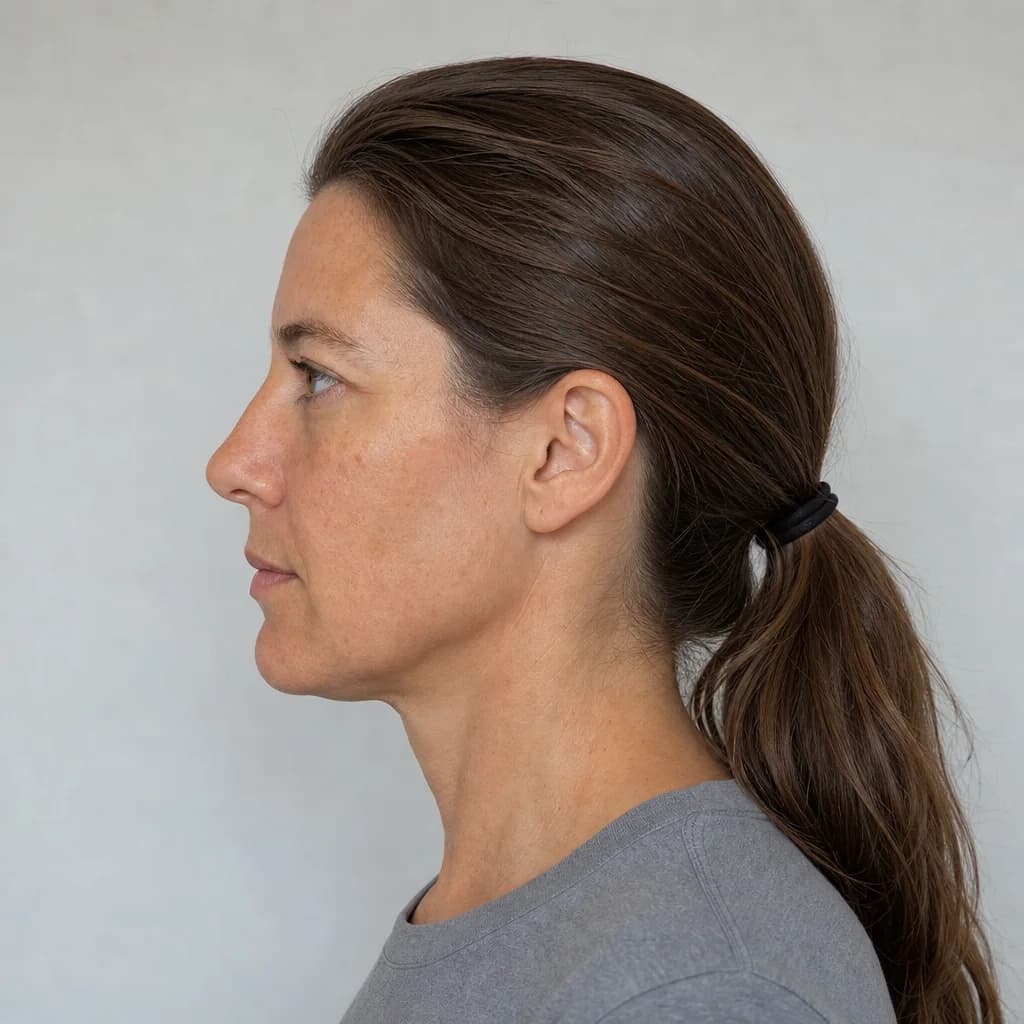
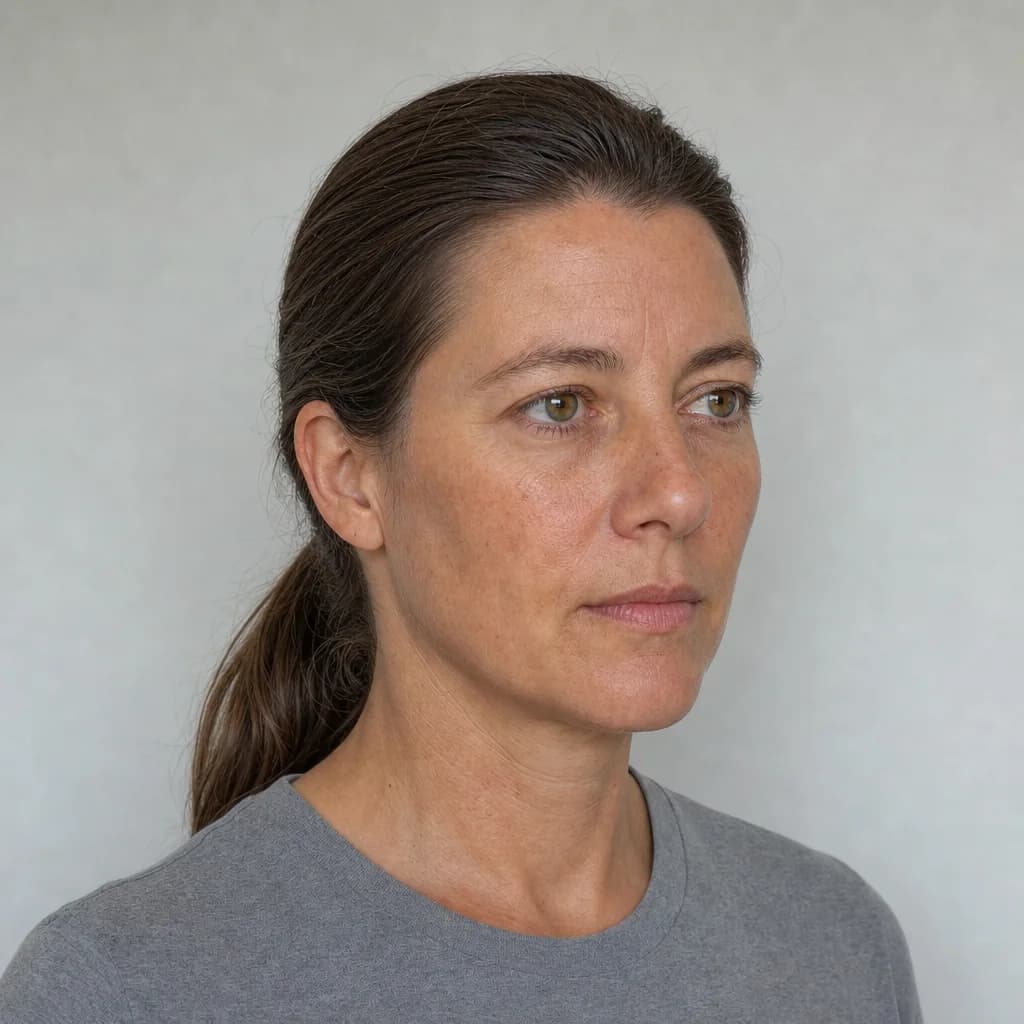
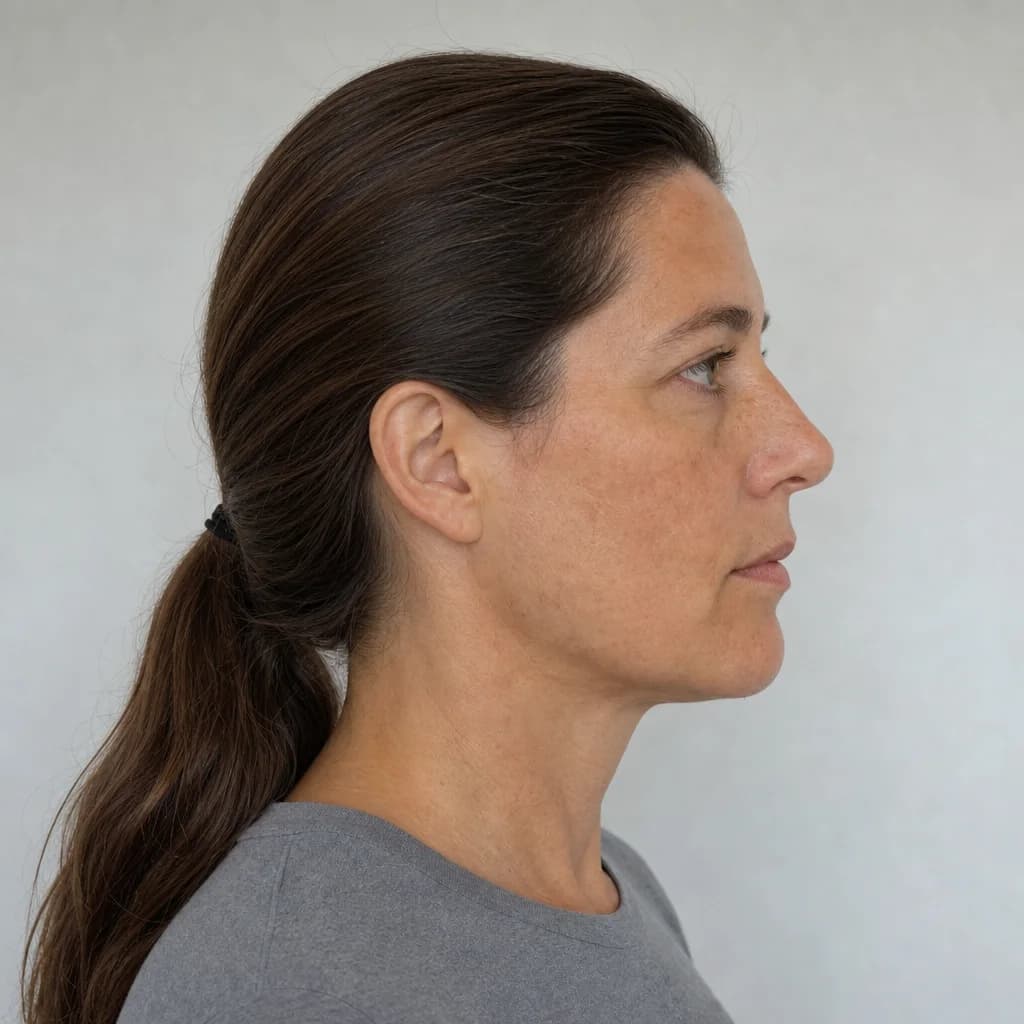

- 1↑Drag and drop file to upload
Poses required

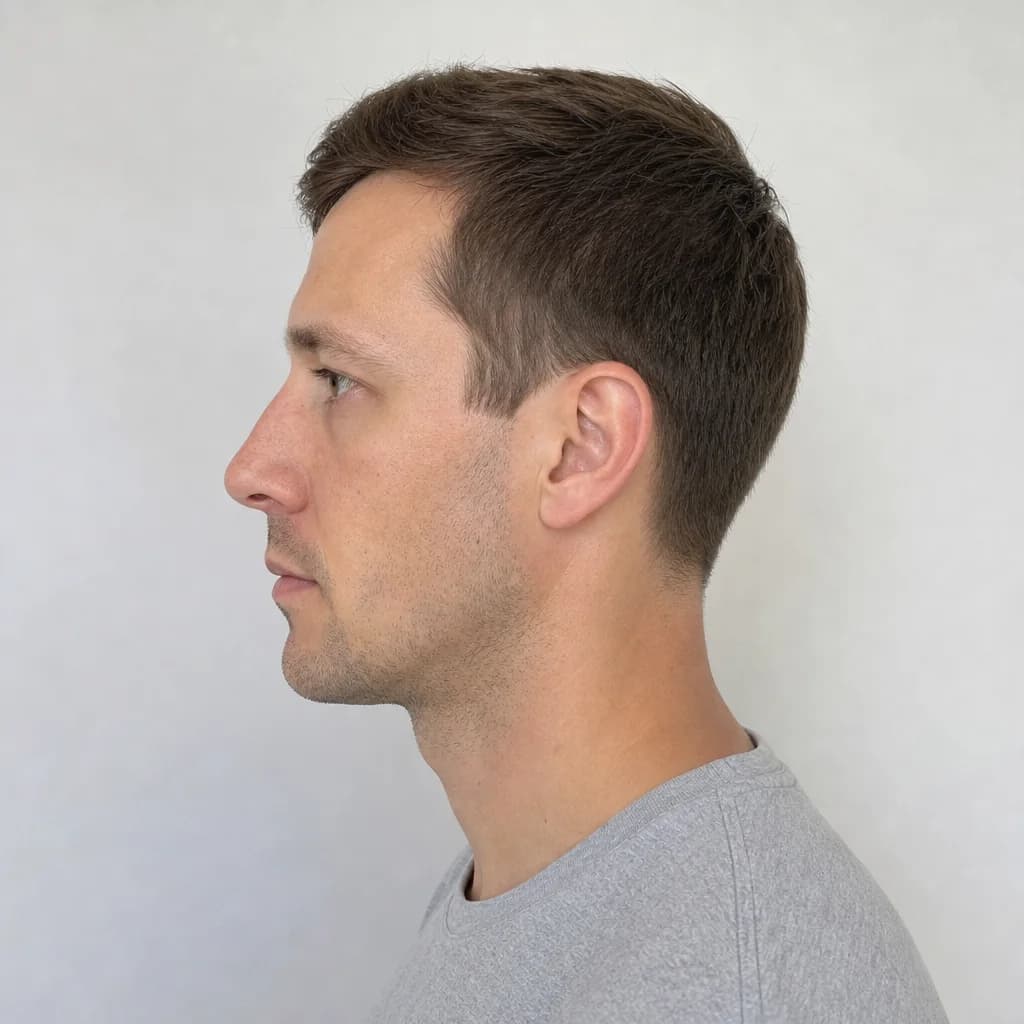

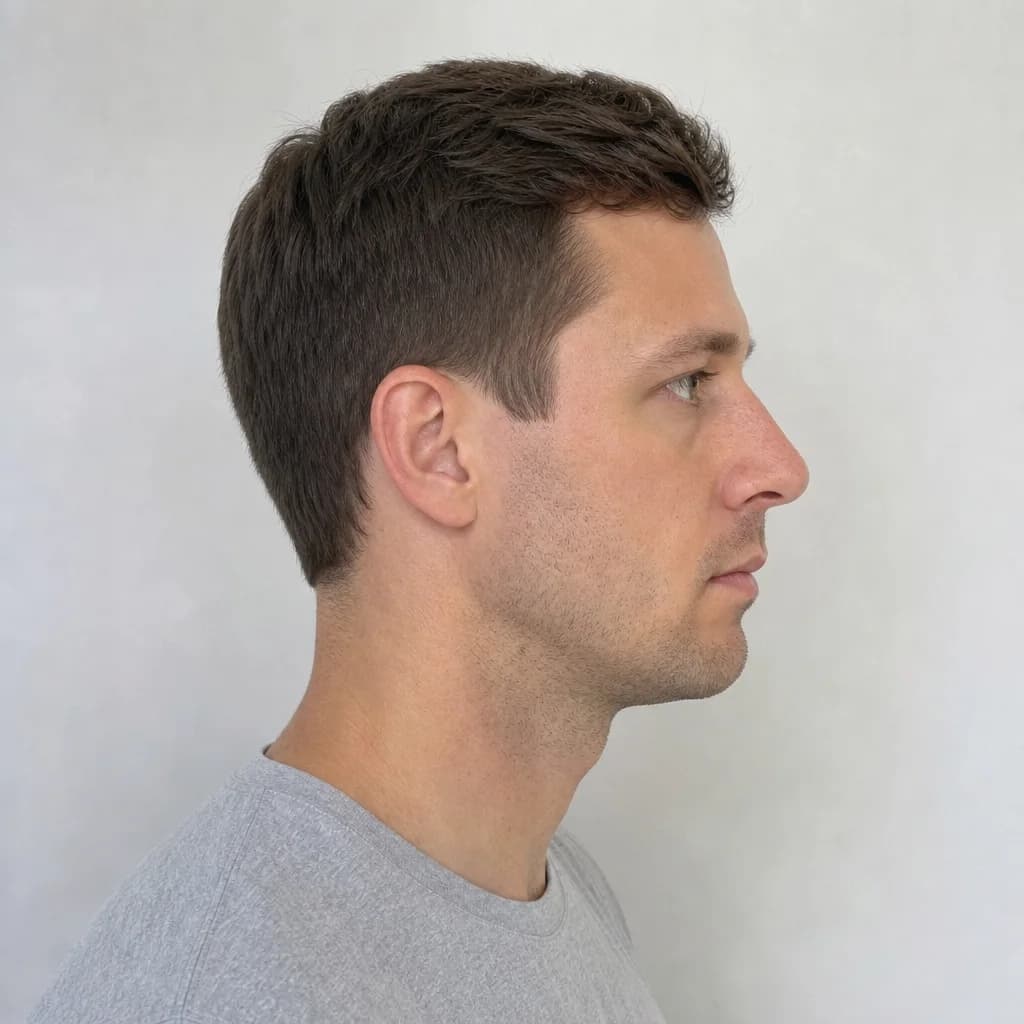

Upload your photos
Upload six clear photos of your face securely and privately through your portal.
- 2
- Ear protrusion✓
- Chin projection (receding vs balanced)✓
- Eyebrow density
- Nose symmetry
- Smile line detection
Facial assessments
We measure your face on 478 points and assess skin quality, symmetry, eye shape, brow density and more.
- 3
Emma's report
Your report
Personalised report
You receive a plan highlighting your strengths, areas for improvement and the best ways to improve your appearance.
Your plan: €99 for the first year, then €150 per year
One analysis per year. No hidden fees.
- Full facial analysis from six photos
- Your own photo, annotated with your priority zones
- Personalised protocol with costs and timing
- Yearly re-scan and progress tracking
- Support from our team
Faciem membership / year
€99
first year, then €150 per year
98 of 100 places leftNo hidden fees. Cancel anytime.
Get access- Every report reviewed by our team
- Secure payment processing
- Your data is private and safe
Your support
system
We provide ongoing support to guide you through every step of your transformation. Our team is here to help.
Faciem chat
Ask our team anything about your report.
Closing notes
A plain-language summary of what matters most.
Your biometrics
Your numbers, tracked year over year.
Beauty research is decades old. What was missing was a way to apply it to one face at a time, honestly.
Frequently asked questions
If you have any further questions, contact us at hello@faciem.pro.
Faciem is a personalised facial analysis and plan. You upload six photos, we measure your face on 478 points and go through it region by region, and you receive a report with your own photo annotated and a step-by-step protocol, all without surgery.
Anyone over 18 who wants clear, measured guidance on their appearance instead of guesswork, whatever their gender or background.
A full facial analysis by region, your most noticeable feature and the features with the most potential, your own photo annotated with measurement lines and numbered priority zones, a personalised protocol with costs and timing, and support from our team for a year.
General AI assistants can offer general guidance. Faciem uses your own six photos, compares your measurements with people of your age, sex and background, and a human reviews every report before you see it.